Black Excellence in Motion: 5 HBCU Women Who Carried Black History Forward
Honoring the Pioneers that changed Women's Athletics

Black History Month is a time to honor the pioneers who broke barriers and reshaped what was possible for future generations. For many Black women in sports, the journey to greatness did not begin on Olympic tracks or national stages—it began at Historically Black Colleges and Universities (HBCUs).
Before the world recognized their talent, HBCUs recognized their potential. Athletes like Althea Gibson, Wilma Rudolph, Alice Coachman, Yolanda Laney, and Chandra Cheeseborough all share more than historic athletic achievements; they share an HBCU foundation. At a time when many institutions denied Black women opportunities, HBCUs became spaces where their talent was nurtured, their confidence was built, and their futures were shaped.
Wilma Rudolph
One of the most decorated track athletes of all time had a hard journey getting to the starting line. Wilma Rudolph was born prematurely in 1940 and contracted polio at the age of four, leaving her left leg paralyzed. Rudolph and her mother had to take a bus 90 miles to the closest doctor in the segregated South, where she was told that she would never walk again. By the age of 11, however, a miracle enabled her to begin running and she began running.
While in high school at the age of sixteen Wilma competed in the 1956 Melbourne Olympics and won a bronze medal on the 4x100 meter relay team. Wilma enrolled at the HBCU Tennessee State University (TSU), majoring in education. In the 1960 Rome Olympic games Wilma became the fastest woman in the world and won three medals in an Olympic game.
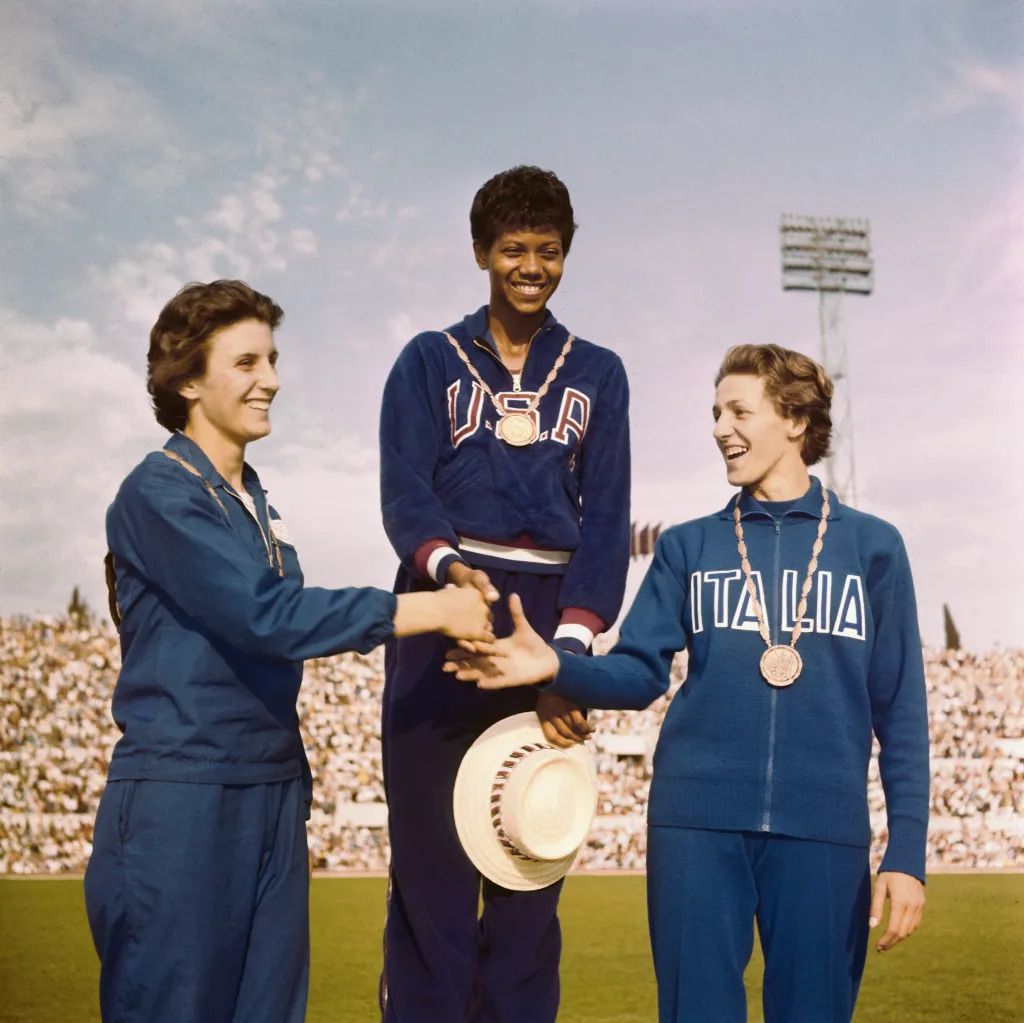
Wilma wasn't just a track star, she was also an activist. She refused to attend her own celebration parade because it was going to be segregated. Because of Wilma's courage her parade and banquet were the first integrated events in Clarksville. TSU honored her by naming its indoor track and a dorm after her. Wilma Rudolph is an icon and the epitome of perseverance.
Althea Gibson
Most people follow one career path throughout their life. Althea Gibson had three. Born in 1927, she grew up in Harlem, New York where she boxed around her neighborhood. In the 1940s some of her neighbors paid for her to join the Cosmopolitan Tennis Club. Between 1944 and 1947, Gibson won 12 Championships in the American Tennis Association. In 1949, she became the first Black woman to play in the USTA's National Indoor Championships, where she reached the quarter-finals.
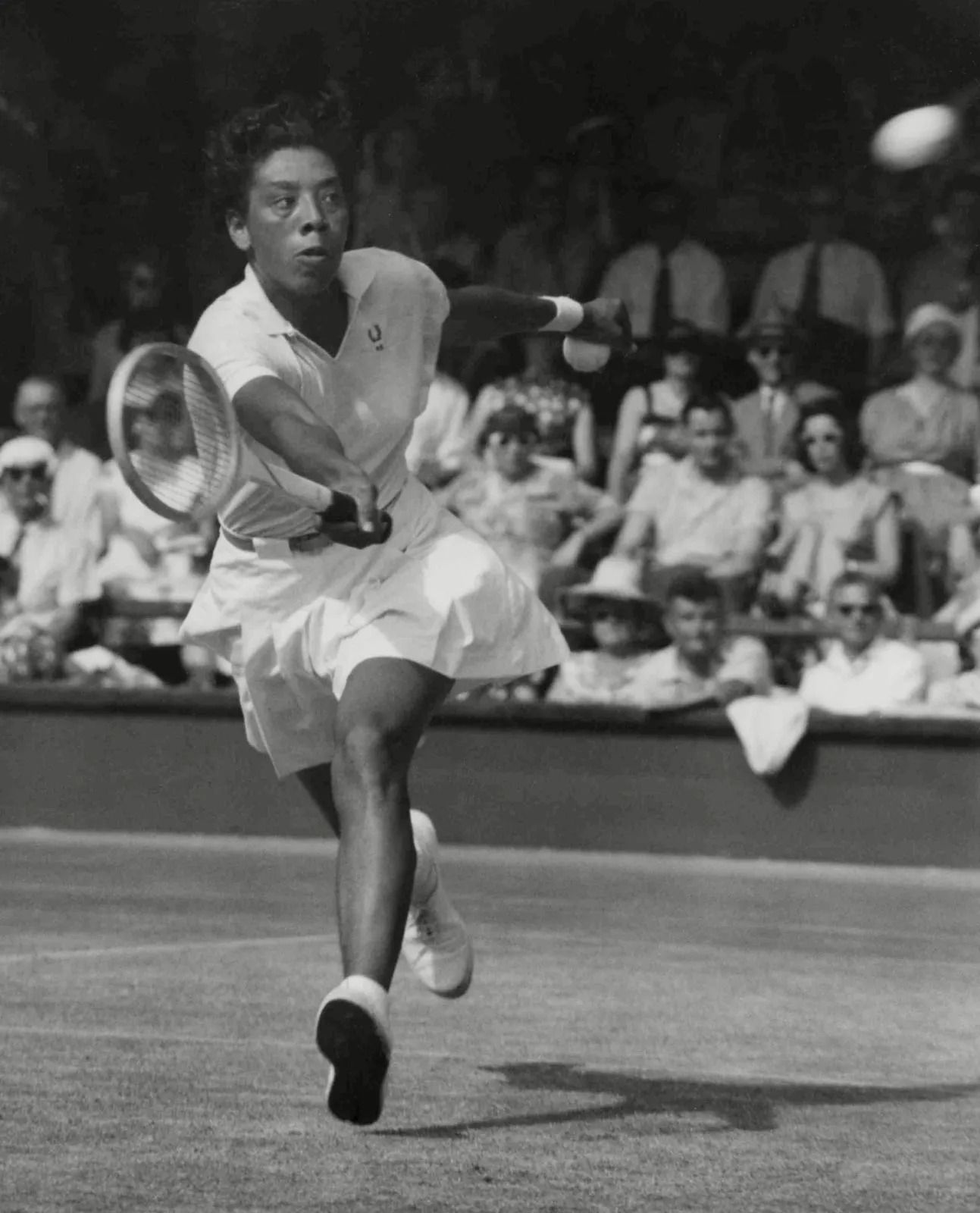
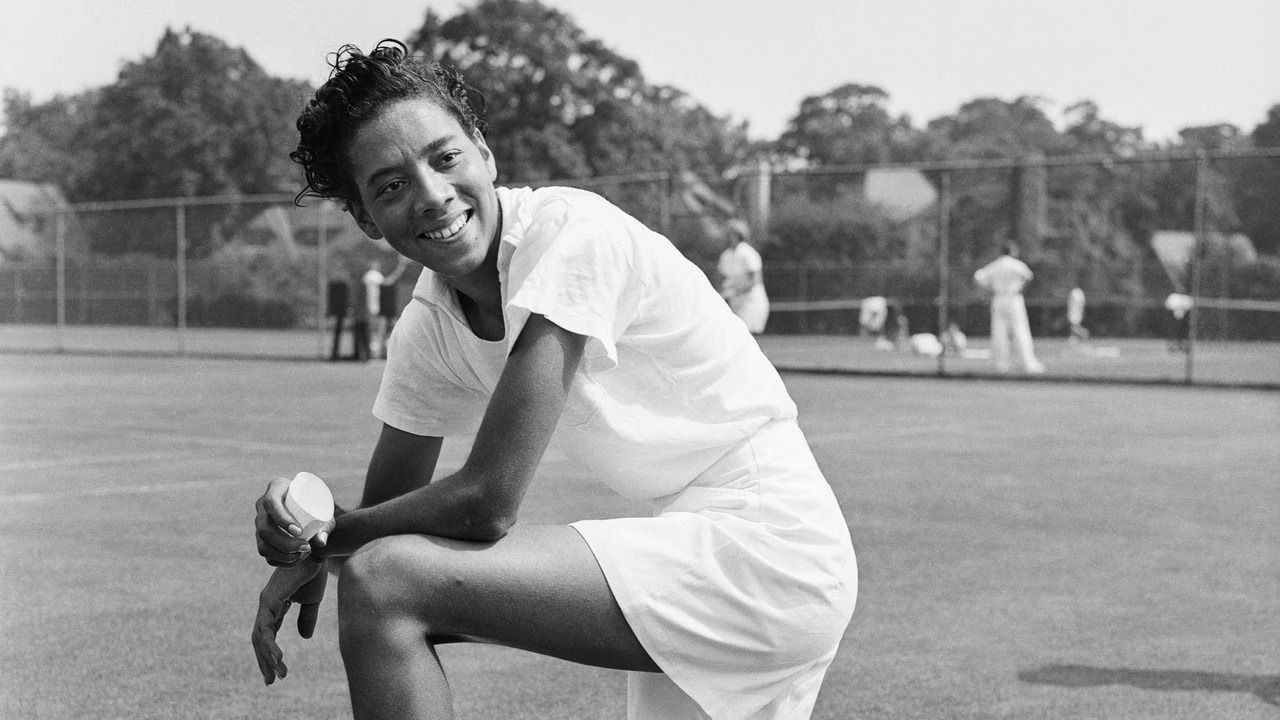
That same year, she went to Florida A&M University on a full athletic scholarship and was a member of the Alpha Kappa Alpha (AKA) Sorority. Gibson was two-time Wimbledon and two-time US Open tennis champion. She was the first African American to be ranked the No.1 female player in the world. Her journey was not easy. She faced discrimination while traveling and competing, yet she remained determined.
She was also a musician, with a voice that earned her a recording contract with Dot Records. She had a successful musical tour before deciding to pursue professional golf. Gibson became one of the first Black women to join the LPGA tour. Florida A&M honors her with the Althea Gibson Endowed Scholarship that supports students in education, recreation, and health. Whether in tennis, golf, or music, Gibson demonstrated excellence at every turn.
Alice Coachman
Alice Coachman was born in 1923 in the segregated South, where opportunities for Black girls in sports were extremely limited. As one of ten children, she helped support her family by working long hours picking cotton and selling produce. From a young age, she showed natural athletic ability, but her father discouraged her from competing in sports because it was not considered “ladylike.” Despite this, she continued to run and play games with neighborhood boys.
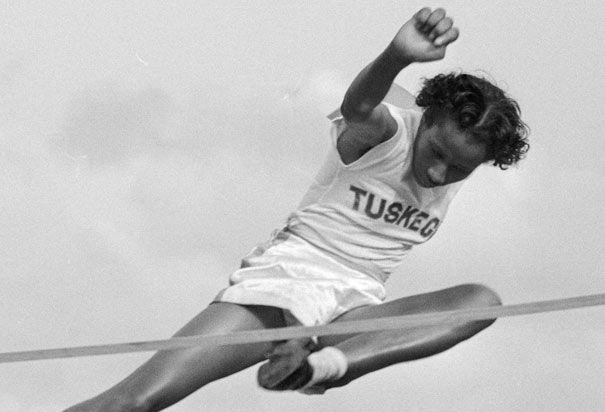
Since she was not allowed to use white athletic facilities, Coachman trained on her own, running barefoot on dirt roads and practicing jumping using homemade equipment. Her talent eventually caught the attention of coaches connected to Tuskegee Institute, where she later enrolled and developed her skills in track and field. While at Tuskegee, she won multiple national championships and dominated the high jump for nearly a decade.
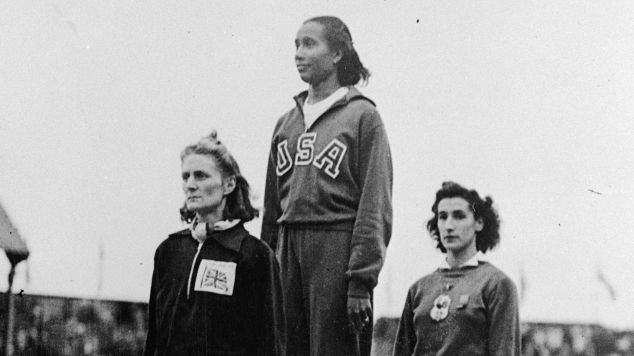
Her greatest achievement came in 1948, when she became the first Black woman from any country to win an Olympic gold medal after setting a new Olympic record in the high jump. Even after her historic victory, she still faced segregation back home, showing that her fight for equality continued beyond the track. Albany State University continues to honor her legacy through the Alice Coachman Invitational track meet, which is held at the Robert Cross Track & Field Complex.
Yolanda Laney
Yolanda Laney attended the oldest HBCU, Cheyney University, where she became one of the most dominant women’s basketball players in college history. At Cheyney, she led her team to the first NCAA Women’s Championship game in 1982. Known for her scoring ability and leadership, Laney averaged over 25 points per game during her college career. She later played professionally and internationally, continuing to represent excellence in women’s basketball.
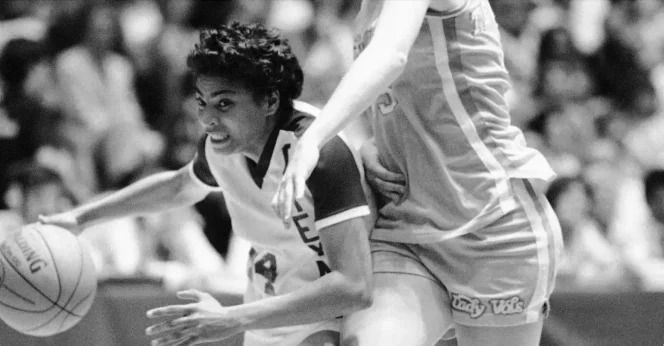
Beyond her playing career, she became a mentor and role model, especially to her daughter WNBA star Betnijah Laney-Hamilton. Laney’s importance to Black History Month lies in her role in advancing women’s basketball at HBCUs. She helped bring national attention to programs that often lacked funding and exposure. Her influence extends beyond statistics, representing the generational impact of Black women in sports. In 2024, Laney had a street named in her honor: “Yolanda Laney Basketball Way.”
Chandra Cheeseborough
Chandra Cheeseborough didn't just become an Olympic track star for herself—she became a star for the next generation. Cheeseborough was born in 1959 and played multiple sports growing up, but track and field was her specialty. At age 16, Chandra won two gold medals at the 1975 Pan American Games in Mexico City. At age 17, she placed second in the 100- and 200-meter dash at the U.S. Olympic Trials, earning a spot on the 1976 Olympic team, where she finished sixth in the 100 meter dash in Montreal. Cheeseborough attended Tennessee State University, where she was a part of the track and field team. She became a national champion and won the indoor 200-yard dash in 1979, 1981, 1982, and 1983.
In 1984, she had her best Olympic performance in Los Angeles, winning gold in two relays and silver in the 400-meter dash. In 1994, Cheeseborough returned to TSU to serve as head coach of the women’s track and field program. Chandra was inducted into the TSU Hall of Fame in 2000. In June 2011, she was promoted to director of men’s and women’s track and field.
Cheeseborough continues to pour into the sport that poured into her, uplifting future generations of Black track and field talent.