The Victory, Realized
How Turning Pro Showed Me Who I Was Ready to Become
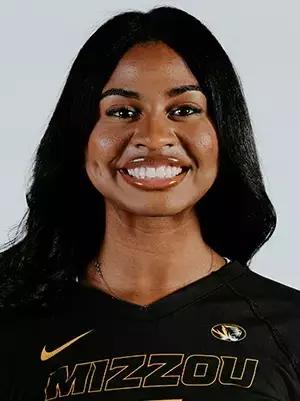

From the outside, my life in Greece looked like a dream. From the inside, it felt like a never-ending nightmare.
I expected the experience to feel like a fairytale. After years of early morning lifts, intensive CARA weeks, and physical sacrifice, I believed I had earned an “extended vacation” of sorts. I had competed at the Division I level, captained teams, crossed an ocean, and stepped onto a professional court. Yet rather than fulfillment, I found myself isolated, at war with my own mind.
Being overseas gave me distance, and with that came clarity. Removed from the familiarity of home, I began to reflect on my journey as a student athlete and the role volleyball played in shaping me. I realized the sport had already given me everything it needed to, long before I became a professional athlete.
It required me to lead before I felt ready. It demanded confidence long before I believed I possessed it. It awakened a passion in me before I fully understood what that passion would cost
Volleyball was not simply preparing me to compete. It prepared me for the next journey of my life.
Ironically, it was in Greece, far from home, that I felt an unexpected pull toward something I had left behind years earlier: pageantry. Not out of want for the crown or the spotlight, as I once sought, but because of what sports had given me internally. I began to understand that the foundation sports gave me was the very reason I now felt capable of stepping onto a stage I once walked away from.
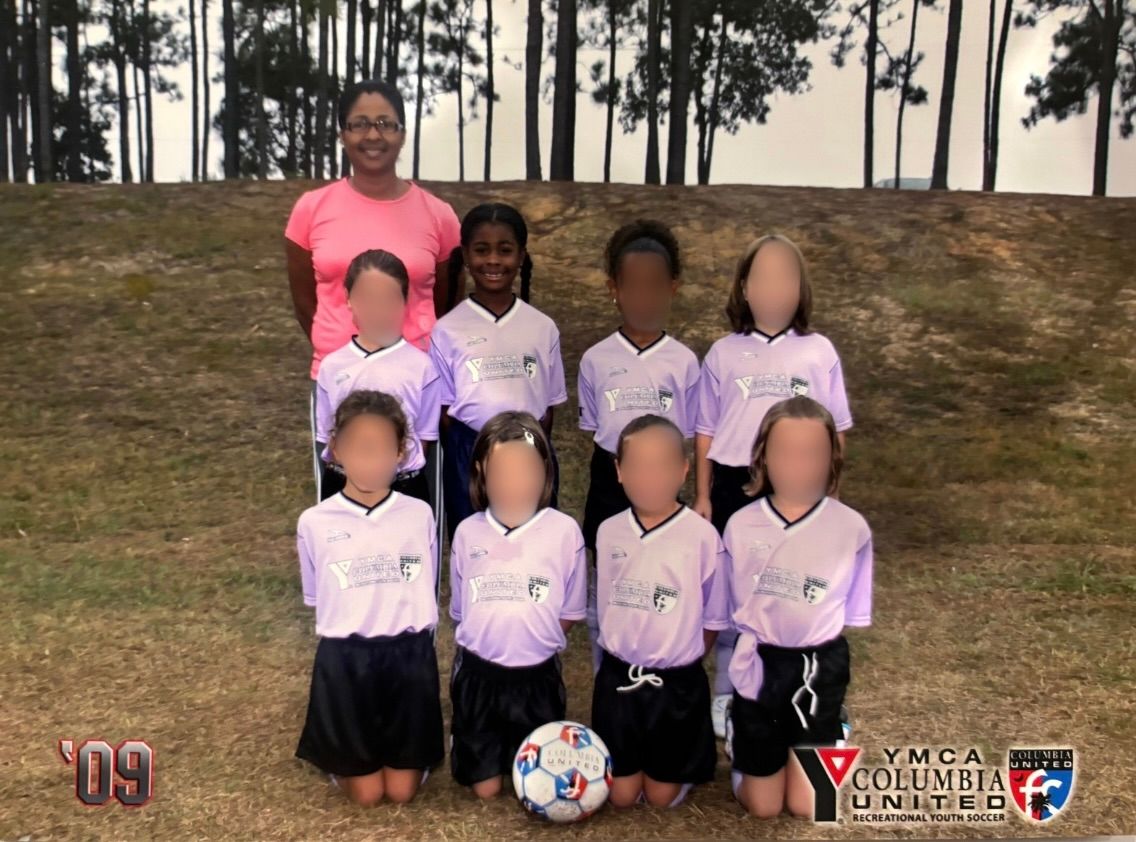
When I was around twelve years old, I stopped playing soccer, a sport I once told my father was my entire life. I was taller than the other girls on my team, and instead of seeing that difference as an advantage, I saw it as a hindrance. I felt awkward and out of place, and questioned whether I belonged at all.
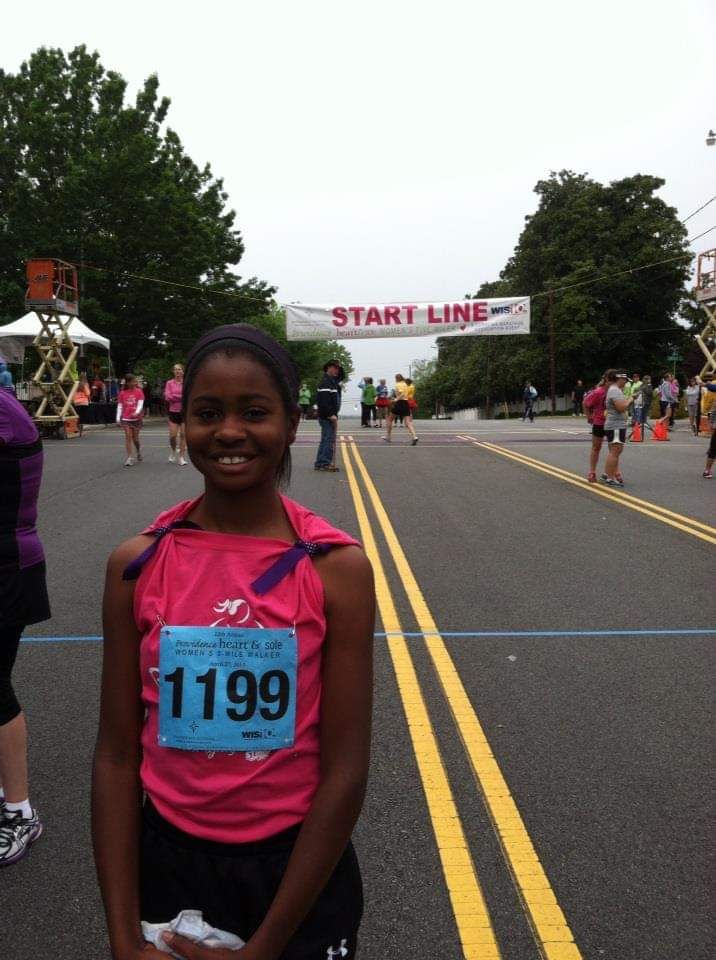
I made the decision to step away from pageants around the same time. Standing beside other girls on stage, I convinced myself I was not pretty enough, not talented enough, and not worthy of the space I occupied.
So I quit.
At the time, I did not have the language to articulate what I was feeling. I only knew I felt uncomfortable in my own skin and unsure of where I fit. Looking back now, I recognize something far more concerning: I was on the verge of becoming a statistic.
The Women's Sports Foundation (WSF) conducted research that highlights how 38% of girls do not participate in sports at all, and those who do are leaving at alarming rates. By the age of fourteen, girls drop out of sports at twice the rate of boys, and once they leave, they rarely return. With that departure comes the loss of countless benefits that extend far beyond physical activity.
Had my mother not encouraged (maybe forced) me to try volleyball, I do not know if I would be the same woman I am today.
That single decision changed the trajectory of my life.
Through the sport, I earned scholarships at two universities, including Clemson, my dream school. I traveled across the country, participated in broadcasting opportunities, and immersed myself in leadership organizations. I represented my teams on and off the court and eventually became a professional volleyball player, the first in my family to do so.
During my final two seasons at the University of Missouri, I finished my collegiate career ranked third in program history for hitting percentage. That achievement matters to me, not because of the number itself, but because it reflects a truth I learned through sport: Rome was not built in a day. Neither is confidence.
Sports taught me how to walk into rooms with confidence, how to speak up for myself, and how to fail publicly while recovering privately. They taught me work ethic, passion, accountability, and leadership. They taught me how to trust myself.
That’s why I wasn’t surprised to find out from the WSF that 94% percent of C-suite executives have a background in sports. More than half of female executives played sports at the university level, and only 3% of women in executive leadership roles have never played a sport at all. These numbers do not exist by coincidence.
When girls leave sports, they are not just leaving physical exercise. They are walking away from opportunities they may never realize they lost.
As I sat overseas, navigating the gap between expectation and reality, my mission became clear.
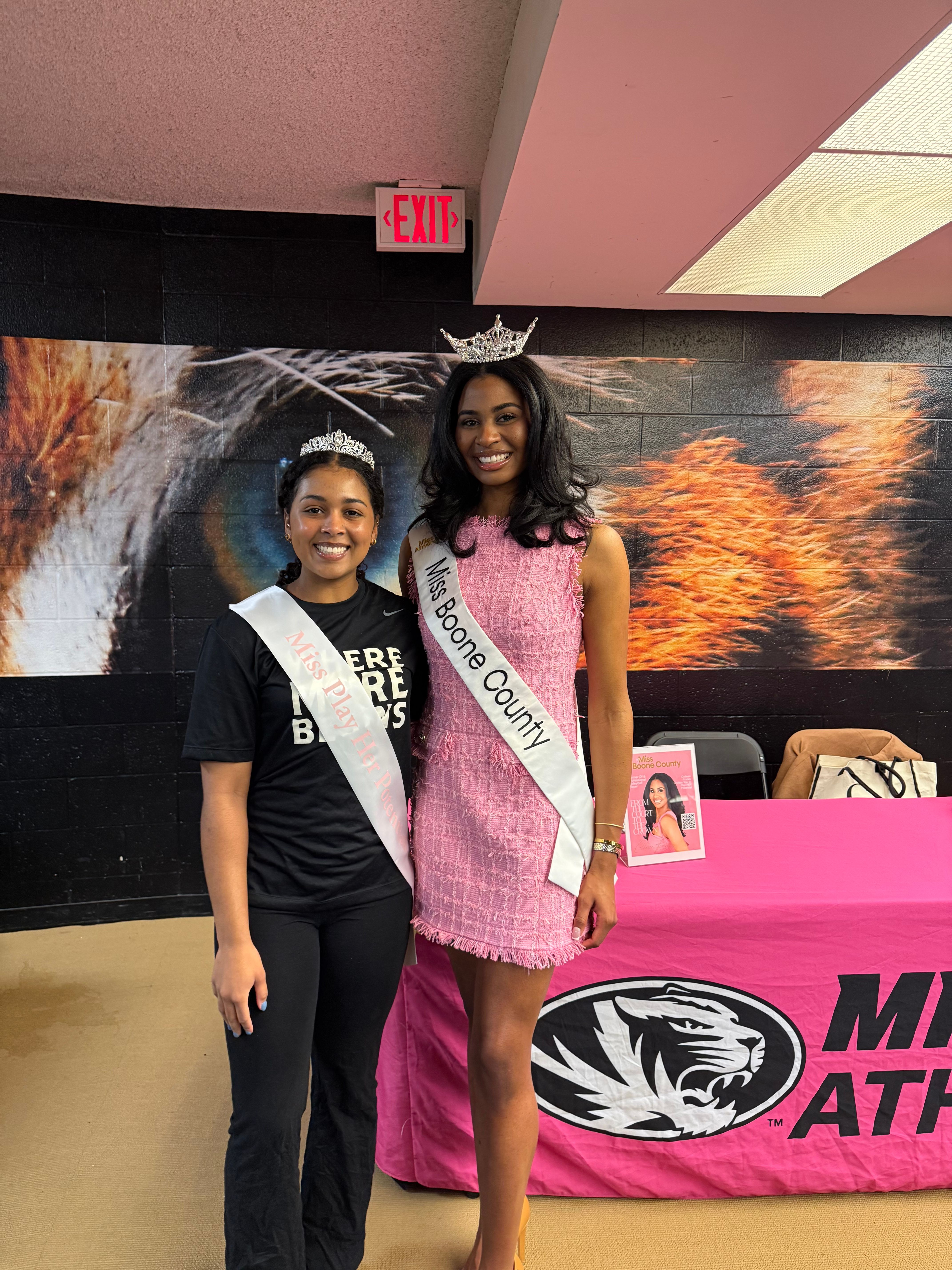
Through my work with the Miss America Organization and my Community Service Initiative, Play Her Potential, my focus is not on creating Division I athletes or professional players, although those paths remain powerful. My mission is to keep girls engaged in sports long enough to unlock what sports can give them internally.
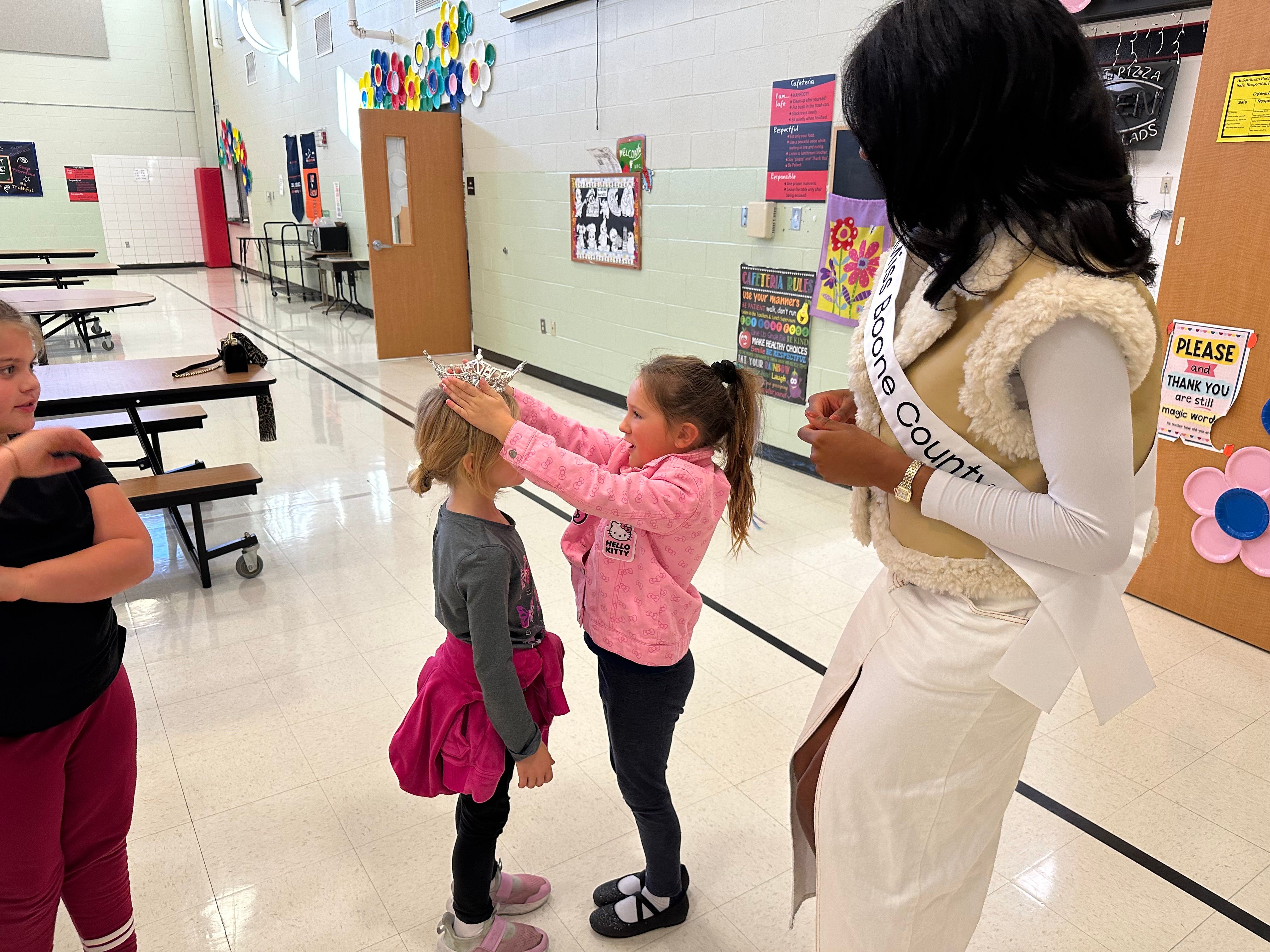
Sports gave me the foundation to become many things. A student athlete. A professional athlete. A graduate student. A leader. And now, a woman who feels worthy of standing on a pageant stage and speaking life into spaces she once felt excluded from.
My hope is to show young girls that sports can help them unlock their potential, whether that path leads them to Division I athletics, the Miss America stage, the C-suite, or anywhere else they dare to dream.
As a little girl, I quit because I did not feel like I belonged.
Today, I know sports taught me that I always did.
If we want more women in leadership, in boardrooms, and on national stages, we must start by keeping girls on the field, on the court, and on teams long enough to discover who they can become.
Because when girls stay in sports, they do not just play.
They grow.
And sometimes, years later, they might find themselves in Greece, realizing the most important victory already happened.