5wins (Tennis) Transfer Portal Guide
All the Insights you need from NCAA Tennis Athletes, for athletes


On the morning the transfer portal opened, Ariana Anazagasty-Pursoo's phone was already buzzing at 7 am.
"Coaches were reaching out the moment it opened," she says. Within three weeks, the former Texas player had committed to NC State, but not before interviewing each program as carefully as they were interviewing her. “What did I need? What am I looking for that would be different from my initial experience so I could get the most out of it?”
That kind of clarity is rare. The transfer portal has reshaped college athletics faster than almost any other factor in recent memory, and women's tennis is no exception. Transfer rates have continuously been on the rise. In 2024, the NCAA made it official: athletes can now transfer an unlimited number of times without losing eligibility, as long as they remain academically eligible and enter within their sport's designated window (NCAA).
For women's college tennis players, the transfer portal is a powerful tool, but the rulebook doesn't tell you what it actually feels like. Six women's college tennis players who've been through it did.
Talk to Your Coach First
Once a player has decided to transfer, they fill out a compliance letter notifying the school of their intended transfer. This is the first step before entering the portal. Right after this step, your coach is notified.

Most players choose to have this conversation with their coach first. Nathalie Marinovitch sat down with her Elon coach, was honest about feeling like the program wasn't the right fit for her tennis, and her coach ended up helping her throughout the process. Avery Pope, who left BYU for Kentucky, frames it simply: "Be as transparent and honest as possible. Clear is kind."
Gracie Levelston, who left BYU for USC after two years as the program's number one in singles and doubles, pulled both coaches into a meeting and told them face to face. She was the franchise player, so the conversation wasn't easy, but she initiated it.

The advice from everyone who's been through it is simple: don't let your coach find out from a notification.
Entering Does Not Mean You'll Get Offers
This is the most important thing to understand before entering, and the least talked about. NCAA rules prohibit coaches from discussing transfer opportunities with athletes not in the portal (NCAA). That means a player must make a public, irreversible declaration before any school can legally express interest. Once you're in, there are no guarantees.
The experience varies wildly. Ariana Anazagasty-Pursoo had coaches calling at 7am the morning the portal opened. Nathalie Marinovitch, on the other hand, spent her first two weeks fielding offers only from D2 and D3 schools; nerve-wracking for a player set on staying in D1. "I was nervous," she said, "but I held on," and Western Carolina eventually came through. Emma Kamper described the process as "super hectic" and built a pros and cons spreadsheet just to stay organized.
The players who navigated this best came in knowing exactly what they wanted. As Josefa Fuenzalida puts it: "You receive so much information that you will not remember - take notes and ask everything you want to know."

Timing Matters
The portal has designated sport-specific windows, and entering too late can cost you. You may have to wait months for the next window, which can affect recruiting timing, roster spots, and scholarship planning (NCAA).
Players who moved quickly had more options. Josefa was in the portal the first day it opened. Nathalie signed within two and a half weeks. Emma committed in three. The longer a player waits, the narrower the choices get. It is important to deliberate all factors before making a decision, but once you're ready, move.
Transfer To Something, Not Away From Something
The portal gives players a choice they didn't always have, but having the right intentions is just as imperative. The players who benefited most from the process are the ones who knew what and why they were running toward, not because they wanted to escape the past.
Gracie Levelston transferred to USC with a specific goal: going pro. California's proximity to professional tournaments was part of the answer, and so was the coaching staff. "Take your long-term goals into this decision," she says. "It is not a short-term decision." She warned: "Do not transfer for NIL or money. Ask yourself if you would still be happy there if you didn't receive a single dollar."
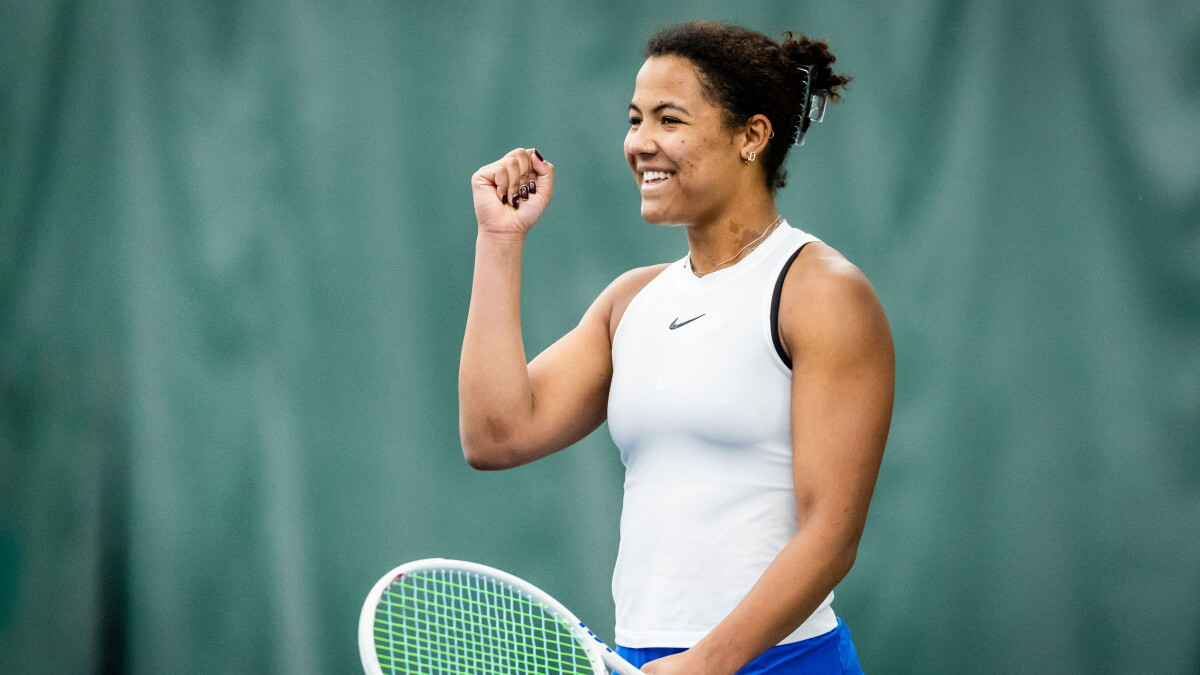
Avery Pope frames it even more directly: "Transferring is not an answer to a problem. Don't run away from something. Run to something." Ariana puts the question simply: "Can you see yourself improving where you are? If the answer is no — bet on yourself and go."
The portal is not a guarantee. It's a door. What's on the other side depends on how clearly you know what you're looking for, how honest you're willing to be, and how much initiative you're prepared to take once you're in it. As Josefa, who moved across the world to play college tennis, says: "If you feel something is missing, be brave. We only live college once." Every player in this story will tell you the same thing: submit.